


Snowmaking During an Extended Cold Snap
The phrase “too cold for snowmaking” seems like an oxymoron at first glance. We spend much of the late fall and early winter hoping for cold temperatures so we can turn on our snowguns and start skiing & riding. How can too much cold be a bad thing? The current temperature outside does affect snowmaking, but mainly regarding logistics—in short, the mixture of compressed air and water that makes snow needs to be balanced just so to make favorable snow, and temperatures determine how much air vs. water is needed at a given time. What matters much more, and has mattered a great deal this season, is the extended period of especially cold temperatures we've experienced here in New England. This in particular affects the means of energy production and energy prices, both in Killington and all around this region.
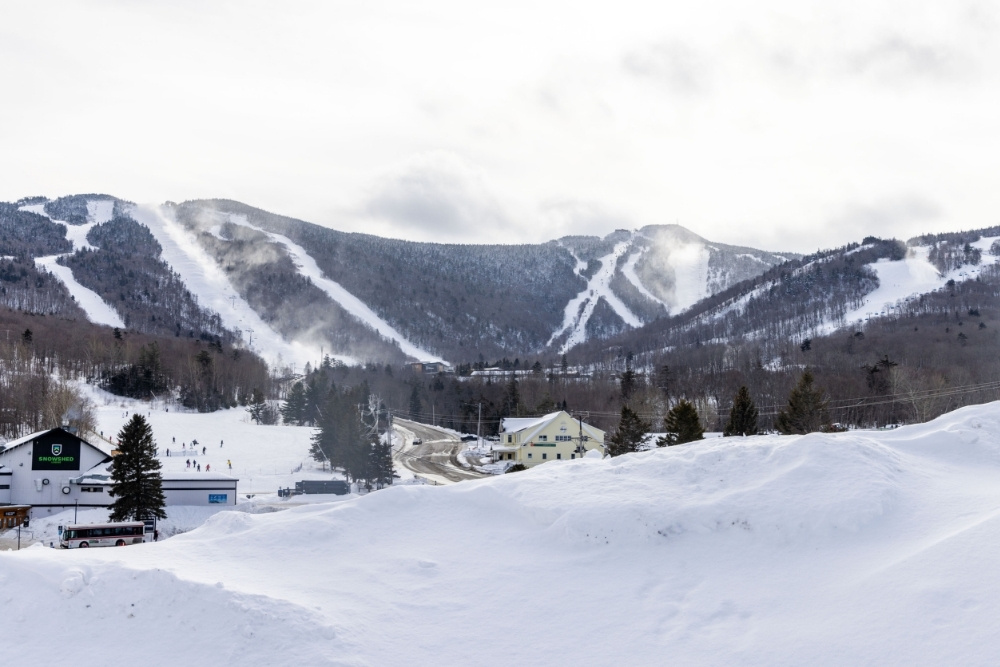
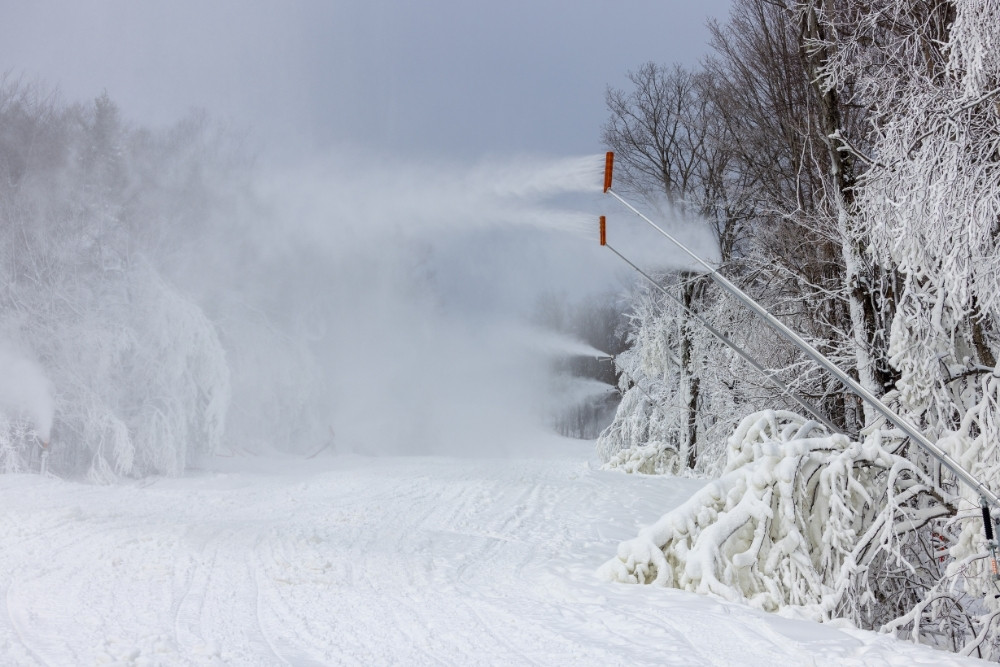
Photo above from Friday, February 6th, with snowmaking on Superstar, Double Dipper, and the bottom of Mouse Trap.
First, we need to start with how we get energy. Energy production in our section of the U.S. power grid comes from a variety of sources, the chief of those at the moment being natural gas, largely due to its relative affordability and availability. When demand for natural gas is high (i.e. when more is being used to heat homes and businesses), the generators that power our electrical grid rely more heavily on other energy sources. One of those “backstops” is hydroelectric power, a lot of which has been traditionally provided by Hydro-Québec and imported into the U.S. Due to widespread drought in the parts of Canada where Hydro-Québec operates, power from this provider has been scarcer, and our grid needs to rely more on alternative backstops like oil, which is a more expensive energy source.
Essentially, this lower level of electricity production coupled with higher energy demand has led to much higher energy prices across the region. Daily power necessities like heating base lodges and running lifts become more expensive, and a relatively high-energy enterprise like snowmaking can quickly become two or three times more expensive than in previous warmer years. To help combat this, Green Mountain Power (GMP), our electricity provider, works in close conjunction with our snowmaking and Mountain Ops teams to provide information on the next day’s energy pricing on an hour-by-hour level. This gives our teams the opportunity to make decisions on a daily basis on whether or not we’ll charge up our snowmaking system. When energy demand and cost is not prohibitively high, we’ve been going for it, but the energy market can fluctuate wildly in extended cold periods like these. When energy demand rises, Killington and other bigger operations (e.g. large farms, manufacturing plants, other ski resorts, etc.) will at times need to curtail non-essential energy usage. That’s part of why you may have noticed not much snowmaking going on in the northeast as a whole, and why our snowmaking operations have been ebbing and flowing in recent weeks.
Unfortunately, these difficulties have stretched well outside of Vermont. Increased energy usage costs have been realized as far south as Pennsylvania and Maryland this winter. As especially cold temps have continued through December, January, and now into February, the energy market continues to be volatile. Looking ahead, some of these challenges may remain. Things like ongoing droughts are obviously out of our control, and though recent days have been a little less frigid, the energy market will likely still take a little bit of time to react and fully correct.
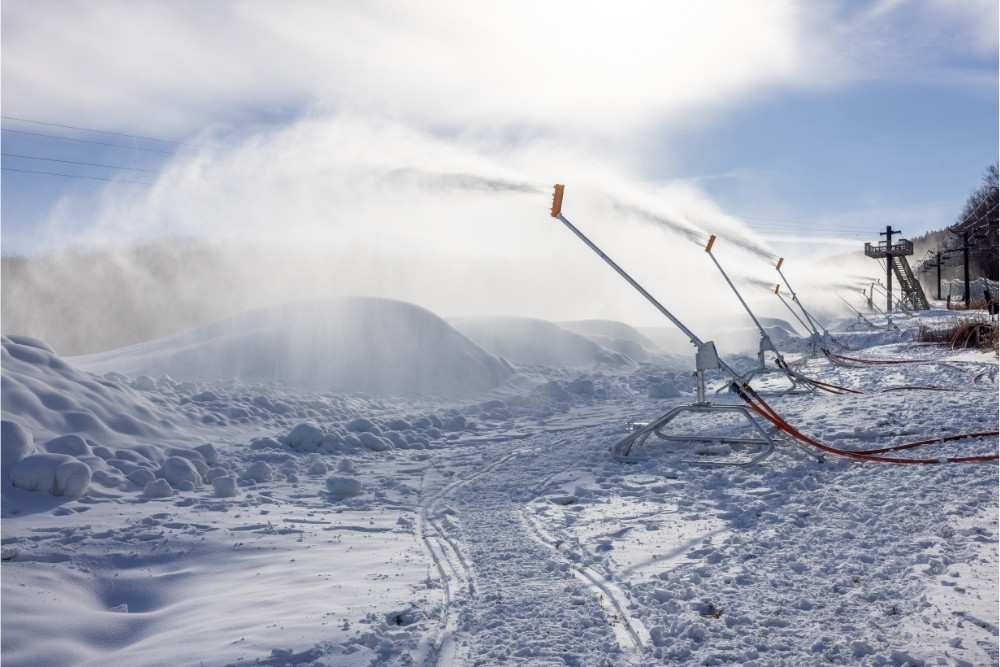
It's certainly not all doom and gloom around here, and we aren’t in the game of sitting back and expecting perfect winter conditions each year. One way of mitigating the impacts of unpredictable weather patterns is our existing and future investments in snowmaking infrastructure. As you may already know, we recently made a significant investment of over $5 million in 1,044 low-energy snowgun towers, and we’re already seeing it pay dividends. Depending on current temperatures, the per-hour energy cost of using our newer snowmaking equipment versus comparable, higher-energy options can range from 3x to over 5x lower. Even more important is the impact on our carbon footprint, which is steeply declining this season due to increased electricity usage and heavily decreased diesel fuel usage in our snowmaking.
Overall snowmaking production is up this season, too. As of the end of January, we comfortably outpaced both last year’s production and our 5-year average of total snow made in the same timeframe. Though we may not end up snowmaking as deep into the season as in past years, by the end of this winter, we’ll have made as much snow as in recent years (if not more) in a shorter time period. Stay tuned, as we’ll have much more data to share about this as the spring approaches.
Here at Killington, we remain committed to having the longest season in the East, and we’re confident that our ongoing snowmaking investments will continue to help us do just that. While most resorts have wrapped up their snowmaking by this time of year, we’re still putting out midwinter levels of production as we approach President’s Day—on Wednesday, February 11th, we had a total of 210 snowguns running at once! We’ll continue to prioritize snowmaking production where it matters the most, including on Superstar, where we’ve recently had over 70 snowguns running on that trail alone. Finally, we’ll continue to keep you, our valued guests, at the heart of all our decision-making.