


Safe Adventuring Around Black Bears in Killington Resort and Vermont
Welcome to your guide on how to safely enjoy outdoor adventures at Killington Resort and throughout Vermont, especially when encountering black bears. Whether you're biking, hiking, camping, or exploring, it's crucial to be prepared and informed to ensure a safe and enjoyable experience.
Understanding Black Bears
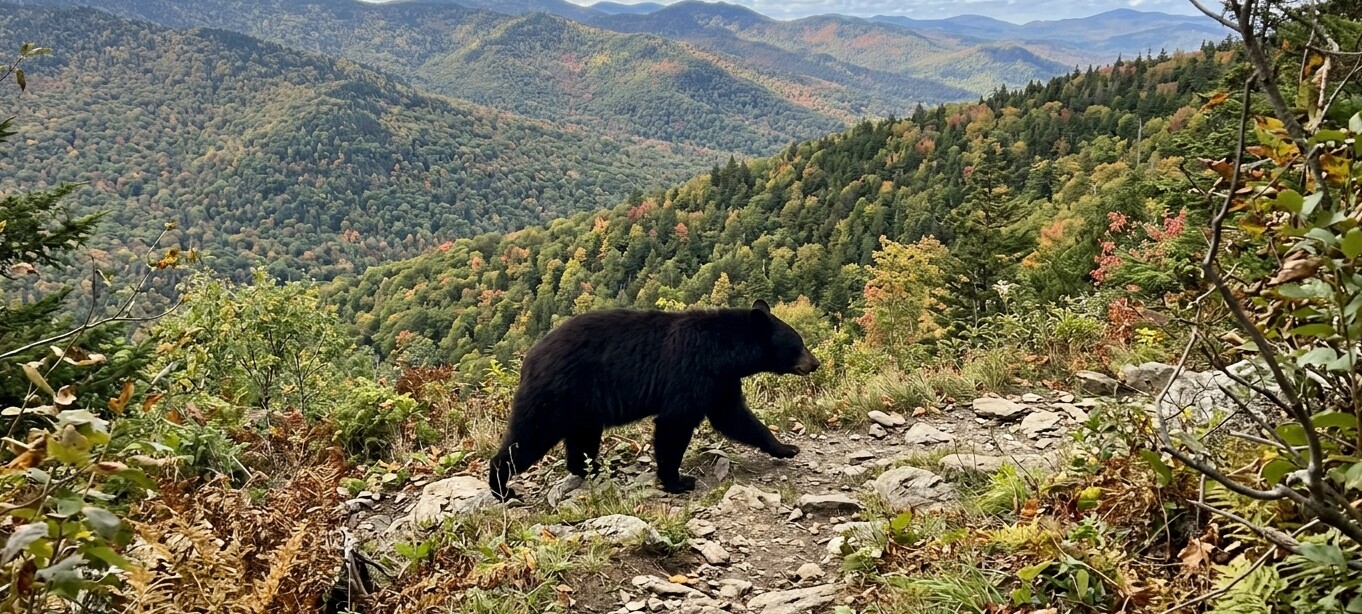
Black bears are native to Vermont's forests and mountains, including the areas around Killington Resort. They are generally shy and avoid humans but understanding their behavior and knowing how to respond is essential for your safety and theirs.
Black Bear Description
Color: Back bears exhibit a variety of color ranging from black to light blond.
Body shape: Black bears are usually smooth in shape & don't have the hump that Grizzlies have.
Height: Black bears average 6ft in height, slightly smaller than Grizzlies.
Claws: Black bear claws are white or grayish & are short than Grizzly claws.
Location: Black bears are the most common bear in North America. They live in all providences of Canada and 41 out of the 50 American States.
In general, if you encounter a black bear you should:
- Remain calm
- Ensure the bear has an escape route
- Back away when possible
- If attacked in a building or vehicle, immediately fight back
- DO NOT run from a bear
- DO NOT climb trees to escape a bear
- DO NOT feed bears
- Keep all food stored properly
Essential Safety Tips
Proper Food Storage:
- Ensure all food and scented items are properly stored in bear-proof containers or designated areas.
- Follow the resort's guidelines for food storage to prevent attracting bears to your accommodations, campsite, or even the golf course
Safe Outdoor Practices:
- Whether biking, hiking, or enjoying a round of golf, stay on designated trails and follow resort regulations.
- Avoid leaving food or garbage unattended, especially in outdoor dining or picnic areas.
Camping and Overnight Stays:
- If camping near Killington Resort, use designated campsites and follow specific guidelines for bear-proofing your camp.
- Store food securely and away from your tent, following both resort and state recommendations.
Bear Encounter Protocol:
- If you encounter a bear, remain calm and back away slowly.
- Do not approach or attempt to feed the bear. Respect their space and observe from a safe distance.
When the bear is unaware of your presence you should:
- Quietly back away from the bear and leave the area.
- Do NOT approach the bear.
When the bear is aware of your presence and is uninterest you should:
- Quietly back away from the bear and leave the area.
- Do NOT approach the bear.
When the bear is curious and continues to look in your direction, smells the air, or slowly approaches you should:
- Talk in a calm voice while slowly backing away from the bear.
- Do NOT approach the bear.
If the bear is defensive, it may:
- Make vocalizations which can include huffing and jaw popping.
- Retreat up a tree.
- Swat at the ground or tree.
- Lower its head with ears flattened, and sways back and forth
If the bear is defensive, you should:
- Begin repeating "hey bear" in a calm voice.
- Back away and leave the area
How to survive a Black bear attack:
- Stand your ground and make lots of noise. Black bears often bluff when attacking. If you show them you mean business, they may just lose interest.
- Don't climb a tree or tower. Black bears are excellent climbers. Climbing up anything won't help you out.
- Fight Back. If the black bear actually attacks, fight back, Use anything and everything as a weapon- rocks, sticks, fists, and your teeth. Aim your blows on the bear's face- particularly the eyes and snout. When a black bear sees that their victim is willing to fight to back, they'll usually just give up.
Additional Tips:
- Carry bear spray and know how to use it effectively, following resort guidelines.
- Educate yourself on local wildlife and their behaviors before heading out on any outdoor adventure.
Resources and Information
For more detailed information on black bear safety at Killington Resort and throughout Vermont, consult resources such as:
- Vermont Fish and Wildlife Department
- Online resources and educational materials from trusted sources
Enjoy Killington Resort and Vermont Safely
By following these guidelines and staying informed, you can ensure a safe and respectful experience at Killington Resort and throughout Vermont's natural landscapes. Respecting wildlife and their habitat is crucial for preserving these areas for future generations to enjoy.
Explore responsibly and have a fantastic time discovering all that Killington Resort and Vermont have to offer!
For more information on safe adventuring and wildlife conservation, visit the Vermont Fish and Wildlife Department.