50 Years on Patrol with Joe Kulina
In 1974, at Mount Tom in Holyoke, Massachusetts, Joe Kulina unknowingly embarked on a journey that would span five decades and shape his identity in profound ways. Back then, ski patrolling was just a weekend hobby—a break from his full-time job at the Department of Defense, where he would eventually devote 41 years before retiring. But even as his weekdays were filled with national security work, his weekends belonged to the slopes. He patrolled at Mount Tom until its closure in 1998, rising through the ranks to become the assistant ski patrol director. It was more than a side gig; it became a passion.
His path to ski patrolling was sparked by a girlfriend who wanted to join Mount Tom’s ski patrol. Though he had never skied before, he followed her, took the tests, and passed. The relationship didn’t last, but a lifelong bond with the ski patrol community was formed. He found himself surrounded by families who had built a culture of camaraderie, with spouses and children all patrolling together. When Mount Tom closed, many from that tight-knit group dispersed—some to Mount Snow, others to Butternut and Berkshire East, a few even heading west. He found his next home at Killington/Pico Ski Resort.
He began volunteering at Killington in 1996, while still living in Enfield, Connecticut. For a time, he juggled patrolling weekday nights at Mount Tom and weekends at Killington. Once Mount Tom shut down, Killington/Pico became his primary patrol area. Fellow patrollers encouraged him to join the Killington crew permanently, and in 2015, after retiring from his “real job,” he finally went pro.
By then, his resume was extensive. He had earned multiple certifications—he is a certified patroller, outdoor emergency transportation (OET) trainer, OEC instructor, toboggan instructor, instructor trainer and trainer evaluator. He held dual Certified Patroller status through both the National Ski Patrol and the Professional Ski Patrol Association, making him one of only a few at Killington to hold such distinctions. His certification number, 180, symbolized a personal milestone; he earned it after three grueling years of work and testing, finally passing at Hunter Mountain in 1982. Now a certified examiner himself, he has seen the number of certified patrollers in the country rise into the 800s.
Today, he serves as Killington’s patrol representative to the national ski patrol. He’s the liaison to the Southern Vermont Region and the Eastern Division in the National Ski Patrol System (NSP), managing rosters, handling correspondence, and ensuring compliance. His role is as much about paperwork as it is about people—he screens prospective patrollers, determines if they’ll go pro or volunteer, execute yearly checks of Killington patrollers toboggan skills (66 patrollers this year alone), and oversees their certification process.
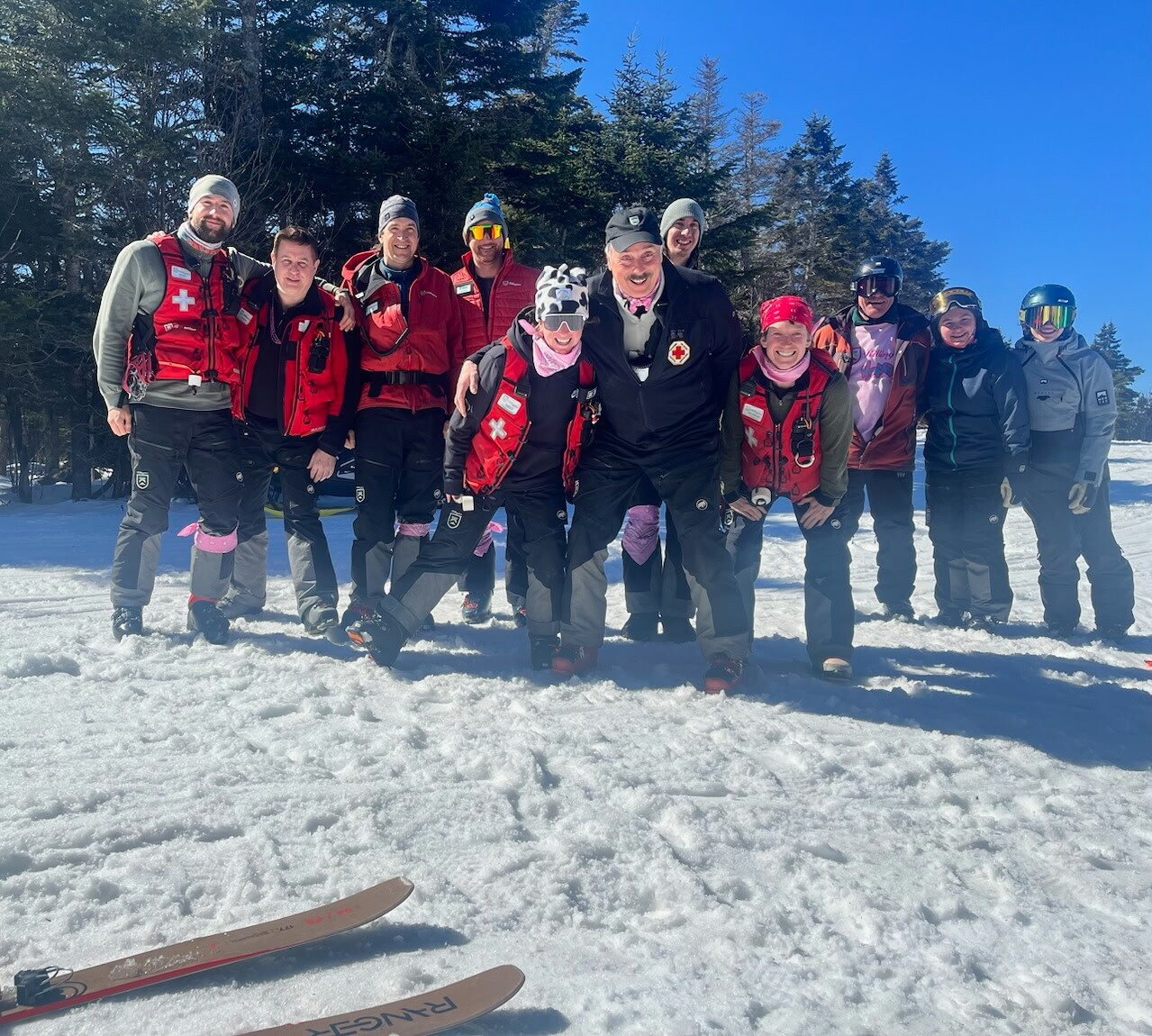
The Killington patrol family is extensive: about 54 paid patrollers, another 28 volunteers, and 9 young adult patrollers under 18. The young ones don’t yet handle emergency calls but assist and learn until they come of age. Many go off to college, but a surprising number return during school breaks, a testament to the magnetic pull of this community.
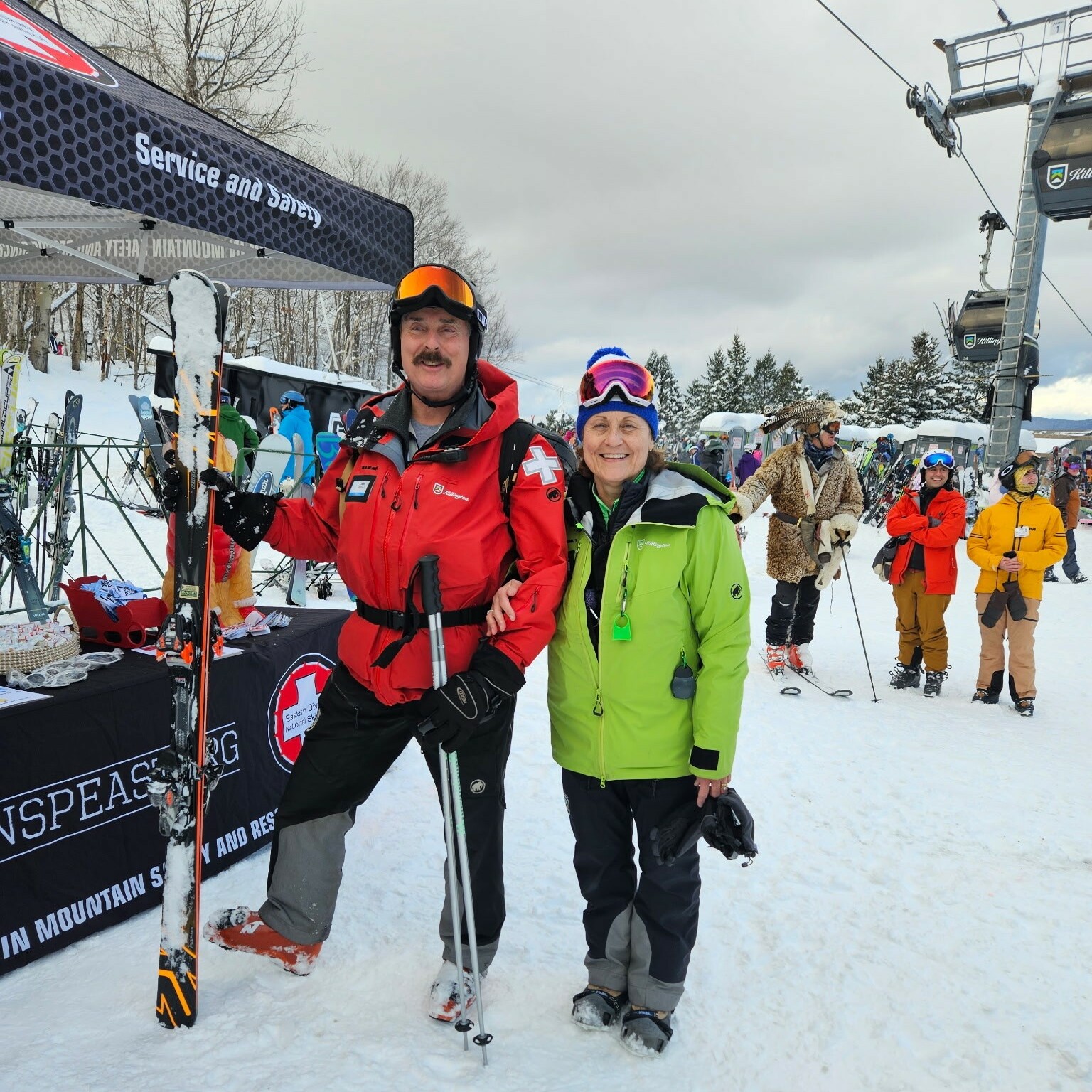
He and his wife Marianna, an ambassador at Killington since 1996, have shared the mountain lifestyle for decades. They kept two homes—one in Enfield and one near Killington—until retirement in 2020 when they moved permanently to Vermont. The decision was simple: everything they loved was there. They skied, they boated on Lake George, and they gave back to a mountain that had given them so much.
Even now, he doesn’t see patrolling as work. “I like to come to work,” he says. “I’m working with young people who want to be successful, and I try to help them get there.” He mentors patrollers like Georgia and Joey, future OET instructors who need his mentorship to complete their certification path. In October, he assists and instructs at the Killington ski patrol OEC refresher and performs OEC QA at other southern Vermont ski areas. From December through January, he trains new recruits—teaching outdoor emergency care, toboggan skills, mountain operations, and customer service. But he’s always training, even with the veteran patrollers, because ski patrol is a role that demands constant improvement.
He’s seen both bluebird days and pouring rain, and through it all, he’s remained steadfast. “We have our good times and bad times,” he reflects, “but my favorite thing is the people I work with.”
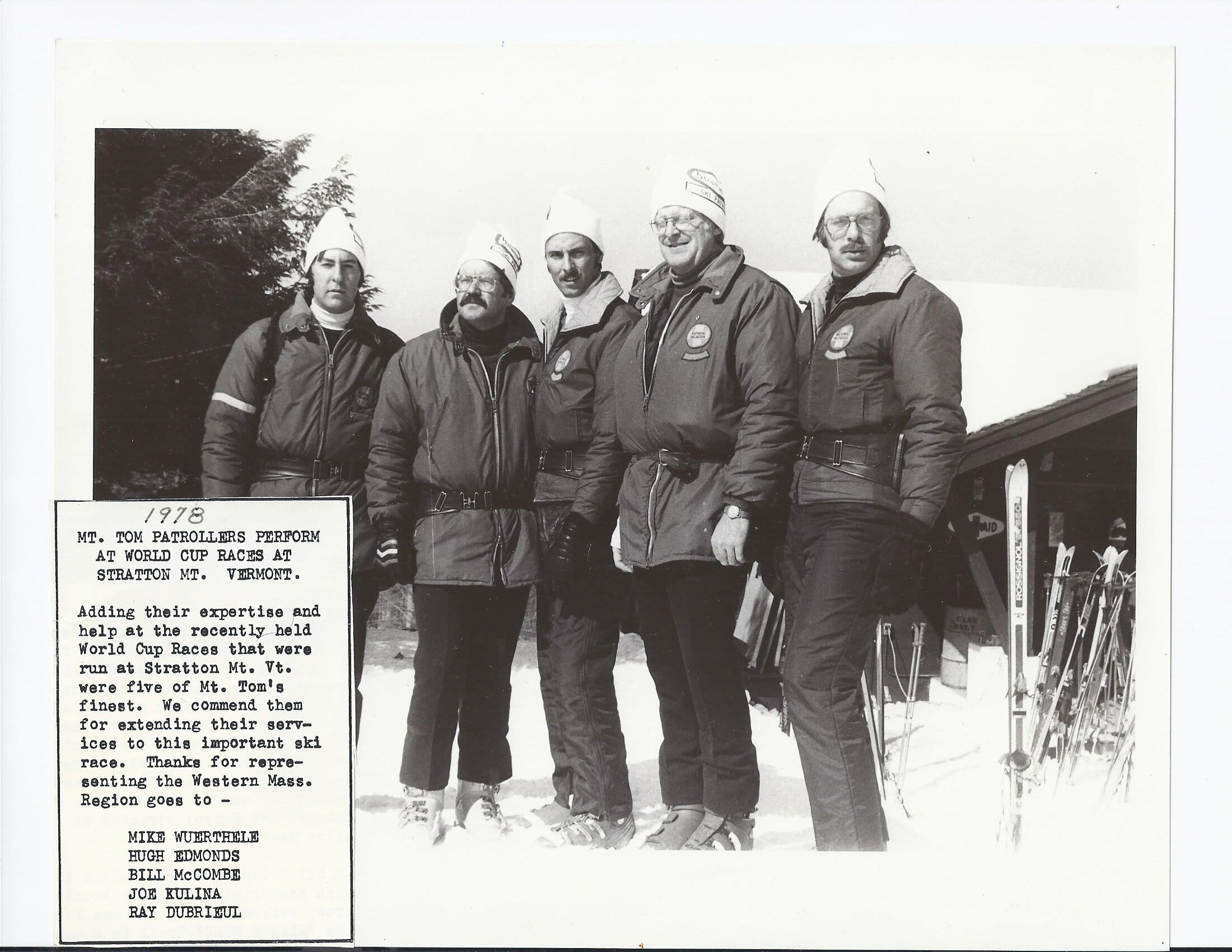
He’s worked World Cups at Killington and once at Stratton Mountain in 1978. Though he never made it to the Olympics at Whiteface, he would have liked to—had work commitments not stood in the way.
His legacy is not just in the titles and certifications, but in the impact he’s made. He’s trained hundreds of new patrollers, signed off on dozens of certifications, and helped scores of young patrollers find their footing—literally and figuratively. When asked why someone wants to become a patroller, most say it’s to give back, to help people. And that’s the part he honors most.
Still skiing and running sleds after 50 years, he’s affectionately called “Pappy” by younger certified colleagues. He’s proud of every candate who’s passed their NSP certifications, and of the reputation Killington patrollers have earned: top-tier, professional, and mountain-tough.
If you can ski Killington, he says, you can ski anywhere.